

Céline Goole
•
There’s always a lot happening behind the screens at Hatch. Some of it happens within projects. Some of it changes the way we work as a studio.
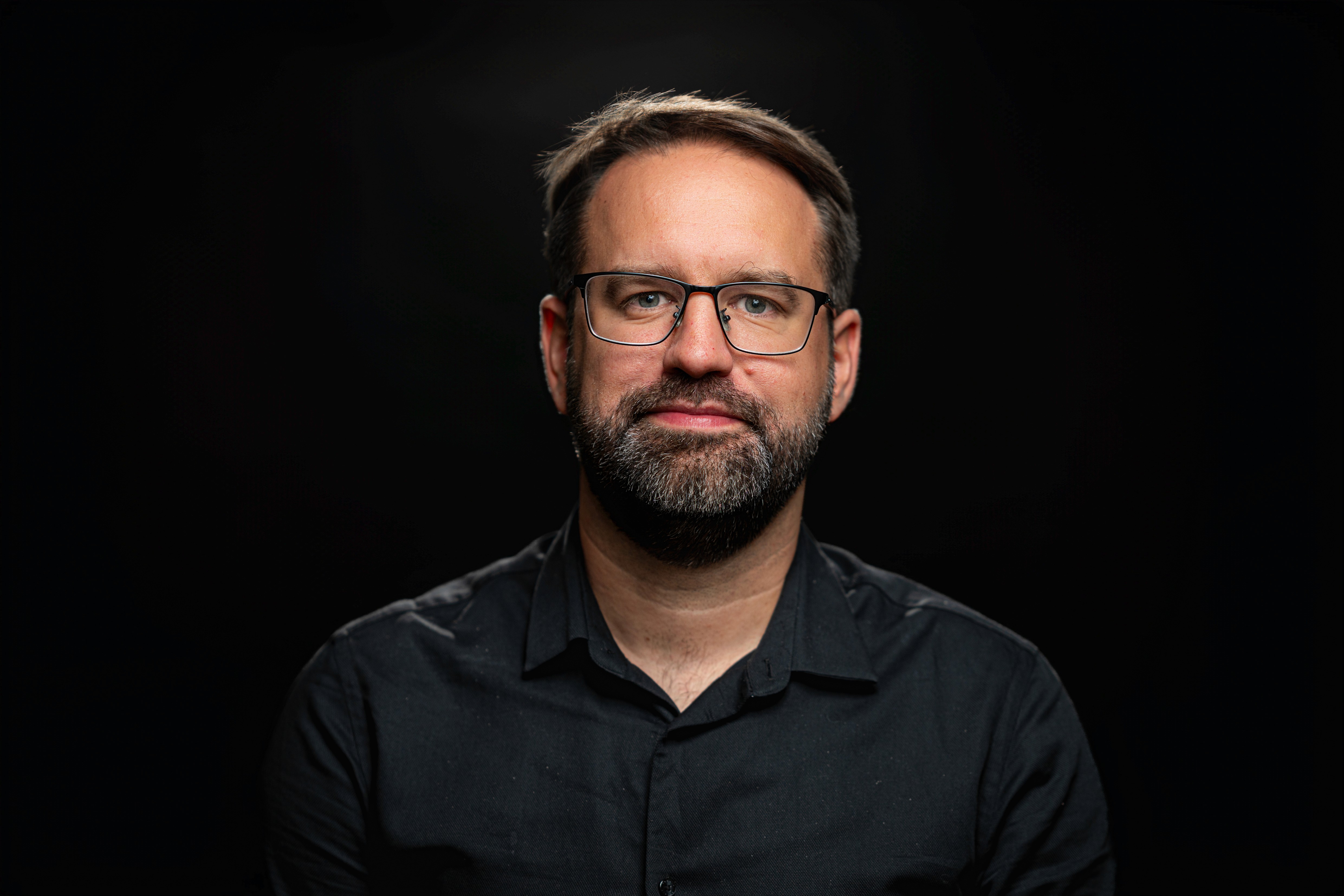
This month, Sam shares two things we’ve been putting quite a bit of energy into. Both are, in their own way, a response to how quickly software development is changing.
Where vibe coding meets product development
More and more founders and teams come to us with something already in their hands. Not a briefing or a Figma prototype, but a working product they’ve built themselves with tools like Lovable.
That changes where our work starts, and how we work from there.
A vibe-coded prototype is no longer something we simply take over, clean up and disconnect from the tool it was built in. It becomes part of our product development process.
A founder can start building in Lovable and continue working on the product together with one of our product designers. Once the product reaches a certain level of complexity, our engineers step in to bring the codebase to production quality.
But importantly, that isn’t a one-way handover.
The vibe-coded environment remains part of the process, allowing founders, product owners and our team to keep working there while our engineers maintain a mature codebase alongside it. Code can move between both environments, with AI helping us manage that exchange and our engineers safeguarding what makes it into production.
We want it to become an interaction between a vibe-coded codebase and a mature codebase, with code moving in both directions.
There’s a lot more happening behind the scenes here. Consider this the preview.
When building gets easier, quality matters more
There’s another side to that shift (above).
As tools like Lovable make it easier and faster to build software, getting something up and running is becoming less of a differentiator. The real difference shows in what happens next: how reliable, secure and maintainable that software remains over time.
And that obviously changes our role after launch too.
Hatch has always focused primarily on greenfield development, helping clients build new products and eventually stand on their own two feet. Support has always been part of that when needed. But increasingly, clients want us to stay involved more structurally, not only when something breaks, but to monitor and maintain their software proactively.
So monitoring, maintenance and support are now a more explicit part of our offering.
Monitoring means continuously keeping an eye on things like outdated versions, vulnerabilities and performance. Maintenance means scheduling regular updates before they become urgent. And support is there when something actually does need fixing.
AI helps us make that more proactive too, from detecting vulnerabilities to monitoring outdated dependencies and generating regular reports.
Compare it with owning a car. Nobody questions why a car needs servicing every 30,000 kilometres. Software isn’t all that different. You can leave it untouched for quite some time and everything may seem perfectly fine. But dependencies age, technology moves on and vulnerabilities appear. Good software isn’t just software that works today. It’s software that keeps working tomorrow.
We’ll be sharing more soon on how we’re approaching monitoring, maintenance and support at Hatch, including what that looks like in practice and where AI comes in.
For now, consider this your heads-up!
Schedule a meeting
or reach out
Book a 30 min
Introduction Meeting
info@hatch.be
+32 471 07 74 16
Interleuvenlaan 15A
3001 Leuven (Belgium)
This month, Sam shares two things we’ve been putting quite a bit of energy into: how vibe coding is changing our product development process, and how we’re rethinking what happens after a product goes live.

Where does vibe coding work well, and where do you still need an experienced product team?